
NYC’s building boom is real. Here’s what the numbers show

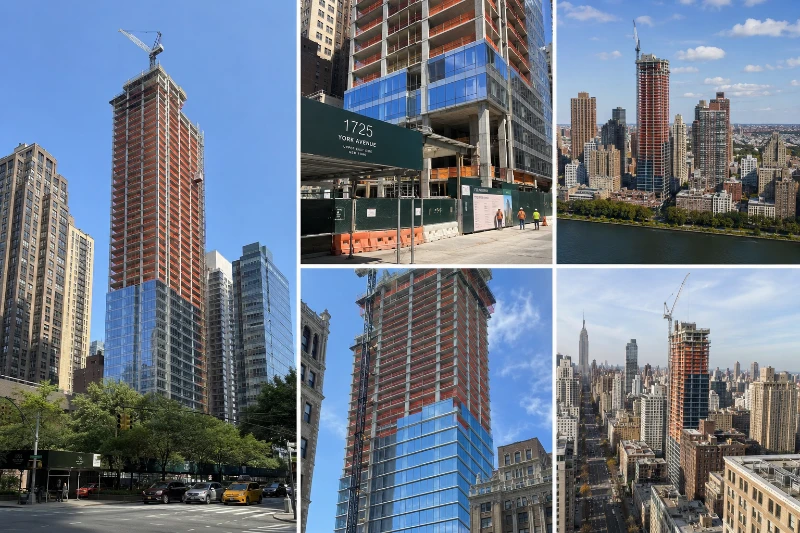
New York City is building again. Permit filings in the first quarter of 2026 doubled compared to last year’s quarterly average, and Manhattan is leading the surge. If you’ve noticed more cranes on the Upper East Side lately, you’re not imagining things. The data backs it up.
This is what the City of Yes was supposed to do. Fourteen months after the City Council passed it, the results are showing up in Department of Buildings filings across all five boroughs.
What the City of Yes changed
For decades, NYC didn’t build enough housing. Restrictive zoning kept most neighborhoods closed to new development, and the housing that did get built was concentrated in a handful of areas. Prices kept climbing because supply never caught up.
City of Yes for Housing Opportunity, approved by the City Council in a 31-20 vote on December 5, 2024, rewrote those rules. The zoning text amendment allows a little more housing in every neighborhood, makes office-to-residential conversions easier, and eliminates parking mandates that killed projects before they started.
The city projects 80,000 new housing units over 15 years beyond what would have been built under the old rules. The mayor called it the most historic housing reform in NYC’s history. The early numbers suggest he wasn’t exaggerating.
The Q1 2026 numbers
New York YIMBY’s first-quarter construction report tallied 28,773 proposed residential and hotel units from January through March 2026. Last year’s quarterly average was 14,338. That’s a doubling in one year.
The rest of the data tells the same story:
- Permit filings jumped from 686 per quarter in 2025 to 793 in Q1 2026. March alone saw 369 filings, more than double the same month last year.
- Filed square footage went from 16.9 million per quarter to 34.6 million. Developers aren’t just filing more permits. They’re filing bigger ones.
- 1,672 new buildings were filed in three months. Last year’s entire 12-month total was 1,972.
Manhattan is the biggest winner
Every borough grew, but Manhattan’s numbers stand out. Permit filings rose 133 percent. Residential and hotel units filed jumped 289 percent, from 2,131 per quarter to 8,285. Total filed square footage climbed 232 percent.
The average Manhattan filing now runs 19.1 floors and nearly 190,000 square feet. The typical new project here is a skyscraper.
Hudson Yards grabbed the biggest filings, including a 1,458-unit tower at 548 West 36th Street and a 95-story supertall at 175 Park Avenue. But the story that matters for buyers isn’t just the megaprojects. It’s the spread of new construction into established residential neighborhoods.
What this means for the Upper East Side
The Upper East Side has been absorbing this shift for a few years already. The Q train changed the math on Yorkville, and developers responded. Demolition is underway for a 34-story tower at 1410-1418 Third Avenue. Vertical construction is starting at 1482 First Avenue. New filings keep landing east of Third Avenue, where zoning and land costs still allow ground-up development.
The Harper at 310 East 86th Street shows where this cycle is headed. A 21-story ODA-designed tower with 63 units, family amenities, and ground-floor retail, mid-block in Yorkville. Buildings like it were the leading edge. The City of Yes numbers suggest a lot more company is coming.
For buyers, that matters in two ways. More new inventory means more choice in a neighborhood that spent decades with almost none. And established new buildings gain a track record advantage as the pipeline fills, since a completed condo with closings behind it carries less risk than a rendering.
What buyers should watch
More inventory is coming, but slowly. A permit filed in Q1 2026 is years from closings. The current wave of completed new development is what’s actually available now.
Neighborhoods outside the core are opening up. The City of Yes was designed to spread construction citywide instead of piling it into a few districts. The borough-by-borough data shows that’s happening.
Construction costs and rates still shape pricing. A permit surge doesn’t guarantee every project gets built. Filings signal intent, not completions.
Thinking about buying in a new development on the Upper East Side? Contact Pazo Realty to talk through current listings, upcoming projects, and which buildings make sense for your timeline.